Safety by Design or Safety by Children’s Co-Design?
Safety by Design or Safety by Children’s Co-Design?
How does safety by design differ from safety through children’s co-design, and why does this distinction matter in debates about safeguarding children?Traditional online safety-by-design approaches tend to treat children and young people as objects. In contrast, safety through children’s co-design embeds their participation rights and promotes the voice of the child and as active agents in digital spaces.
What is Safety by Design?
Safety-by-design has a valid place within governance and protection methods. I am not advocating that is is not a step forward inthe right direction to be promoting child safety online. However what we do not yet know if it is the most effective method of informing design and assessing risks. I believe moving forward is we take the lessons and learning from this new approach of default of safety by design BUT place one crucial first step combing the safety by design principles with safety by co-design.
On 2 July 2025, the UK government published a statement of strategic priorities for the Online Safety Act 2023 (OSA), outlining four key priorities for implementation. Among these is safety by design which stands out as a fundamental principle. This refers to and focuses upon embedding protective measures that should safeguard all users, particularly children and young people. Safety by design in essence means building digital products and platforms with user protection built in from the very start, rather than adding safety features later as an afterthought. Meaning that service providers should ensure that their platforms are built with user protection as a core feature. Service providers are also required to carry out a children's access assessment and, if they are likely to be accessed by children, a children's risk assessment. They then need to implement appropriate measures to mitigate the identified risks of harm to children. It goes on to cover areas of age assurance and children's access assessments.
In Europe, safety by design has a slightly different focus and interpretation. The European Commission proposes a new KIDS Act (2026) to introduce a gradual uptake of social media for children and young people. In terms of safety by design they agree with the UK that there should be stringer protections online by default. This includes: limiting features that can encourage excessive use, such as infinite scroll, reward tricks and push notifications during sleeping hours; prohibiting unsolicited contact from strangers; ensuring profiles for minors are private by default; offering easy ways to block or mute other users; as well age verifications.
The Kids Online Safety Act (KOSA) (2025-2026) is a U.S. federal legislative proposal designed to protect minors from online harms. Platforms are required to enable the strongest privacy settings for children and young people by default. Offering parents new controls to help protect their children and spot harmful behaviours and provides parents and educators with a dedicated channel to report harmful behaviour. Creates a duty for online platforms to prevent and mitigate specific dangers to minors. Furthermore, it outlines that parents and policy makers need to know whether online platforms are taking meaningful steps to address risks to kids by requiring independent audits and research into how these platforms impact the well-being of children and teenagers.
What is Safety by Children’s Co-Design?
Digital safeguarding is using children’s co-design research methods with children and young people to create innovative technology initiatives for them by them to self-refer, share information and manage risks. This approach gives children and young people an equal voice, recognizing them as digital natives, especially within changing technological environments (Carlick,2018). Of course we all want to safeguard and protect children online however what safety by design omitsis the digital native child of today. They have agency and should be an equal partner in research and design of safer systems and platforms. The current approach only stems from an adult centric viewpoint underestimating youths’ digital literacy. The approach I advocate is a collaborative approach that actively involves end-users (children and young people), parents and/or carers, safeguarding professionals, and tech partners in designing safety tools, policies, and environments rather than imposing them from whatis either a sideways maneuver or top-down approach. Co-design is utilized within health care settings, for example, bringing together patients, carers and health care professionals for safer medicine use. Children's co-design has specifically been developed within in gaming design for player safety and child-cenetred safety mechamisms. The same applies to the creation of classroom education tools designed by and used by children.
Co-design is an iterative, collaborative process that can introduce uncertainty. However, it can reduce the risk of creating inappropriate or ineffective safety mechanisms by ensuring that solutions reflect children and young people’s lived experiences and real-world online and offline contexts.
We must adopt the viewpoint of safer social-technical spaces within safety by design.
Safeguarding children is a shared responsibility grounded in child-centered practice, information sharing, risk management, and multi-agency collaboration. These principles should be embedded in the safe design of online platforms. A child’s socio-technical journey should respect the different stages and spaces of childhood by bringing social, technological, and professional perspectives together within a single community spanning online and offline contexts. This approach applies to children of all ages, but it must remain developmentally appropriate and responsive to their growth. At present, I suggest that a socio-technical disconnect exists between children and the legislation, policies and governance intended to protect them.
Let me explain a collective responsibility bringing together the public authorities, the technology providers and parents and youth (digital natives) to all work to embrace a safer way forward with online platforms such as social media we simply create children’s safety by co-design, that I term ‘who’s in the room’. Positioning the child as a social-technical agent for change. Their enactment shows that there must be diversity with regard to age groups within the space and technology design. Starting from the name, right through to the content, the architecture of design must be child-focused, meaning their power and agency is central.
By adopting the concept of the childhood social-technical safer spaces (Carlick,2018), we become child centric and we build with the internet, with tech companies as digital mobility is here to stay! By engaging with parents, a children and young people as equal partners in the initial design features they confidently will be able to contribute to safety by default measurements and whether they are going to be effective.
We must design a framework that sits within co-design and/or safety by design that introduces social concerns and how these impact the social-technical viewpoints of the childrens and young people interactions with in the online/offline world. Understanding this social-technical framing of information enables a deeper analysis for safety by design.
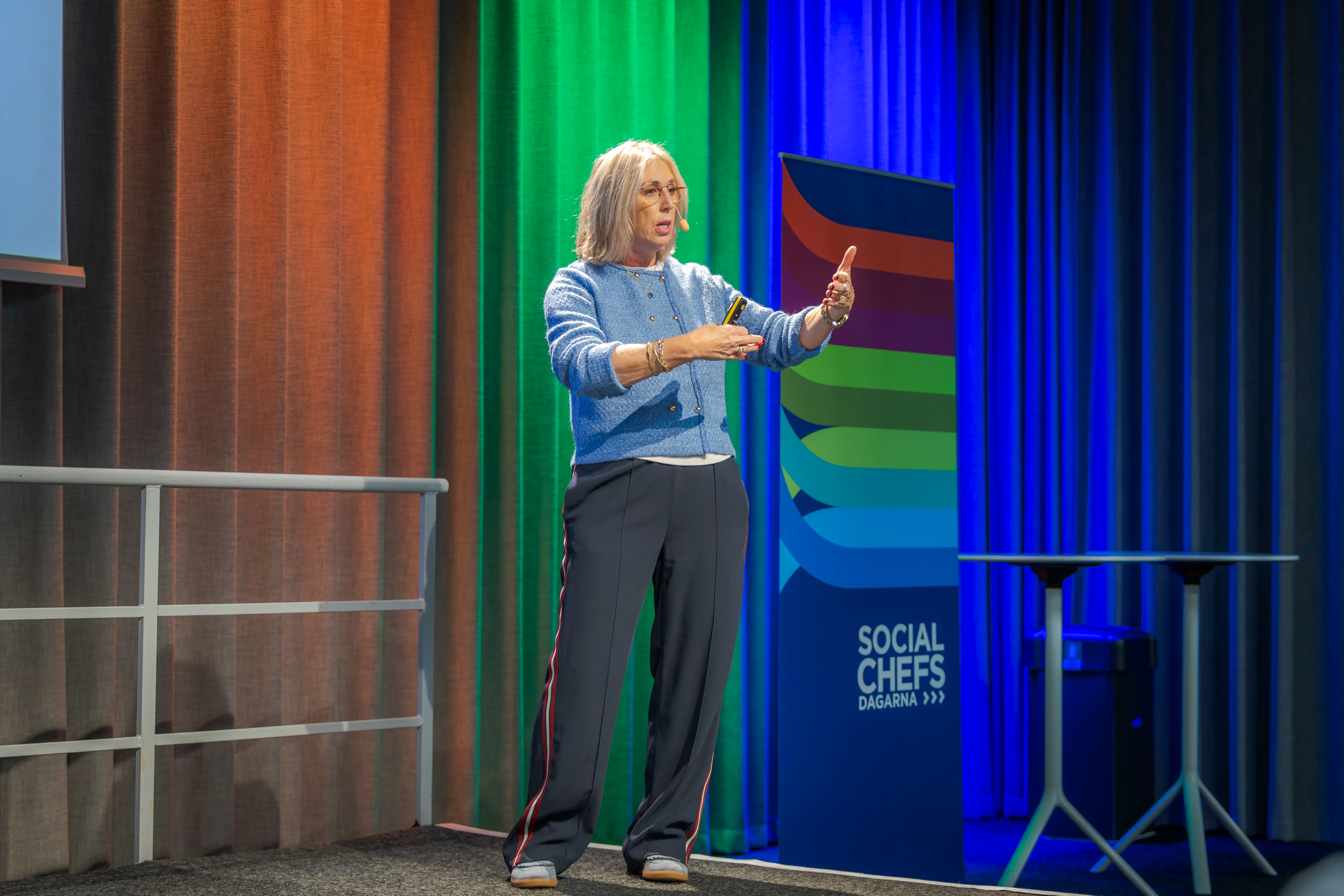
Dr Sarah Carlick is an expert consultant in social caretech – children’s digital safeguarding whos ework focuses on how organisations can use tech for good, through co-design with children and young people. Contact:sarah@mesafe.co.uk

Work With Sarah
As a Speaker or Judge
Sarah is an experienced and dynamic conference chair, keynote, panel member and moderator across multi-disciplinary professional and academic settings, and has worked across the globe, in-person and virtually.
Find out moreAs a Consultant
Sarah’s expertise as a consultant is wide-ranging in environments where children's social care meets technology. She specialises in advising on digital safeguarding strategies, and technical reporting pathways across organisational departments and in multi-agency settings.
Find out moreAs a Research Partner
Sarah's research focus is on co-producing new ways of working within child protection, and to challenge the current technical frameworks to ultimately improve outcomes for children and young people. This work has supported developments in UK and International child protection relating to managing risk and safeguarding.
Find out moreTo deliver Social Care Tech workshops
Sarah is a senior and seasoned facilitator, developing and delivering conferences, workshops, and development days tailored to the needs of stakeholders across the digital safeguarding and the social care sector.
Find out moreFor Safeguarding Supervision
Sarah has over two decades of experience working across multi-disciplinary sectors, all the while placing the lived experience and agency of children and adults at risk at the centre of safeguarding.
Find out more.jpeg)