Childrens Safeguarding Digital Co-Design Report 2023
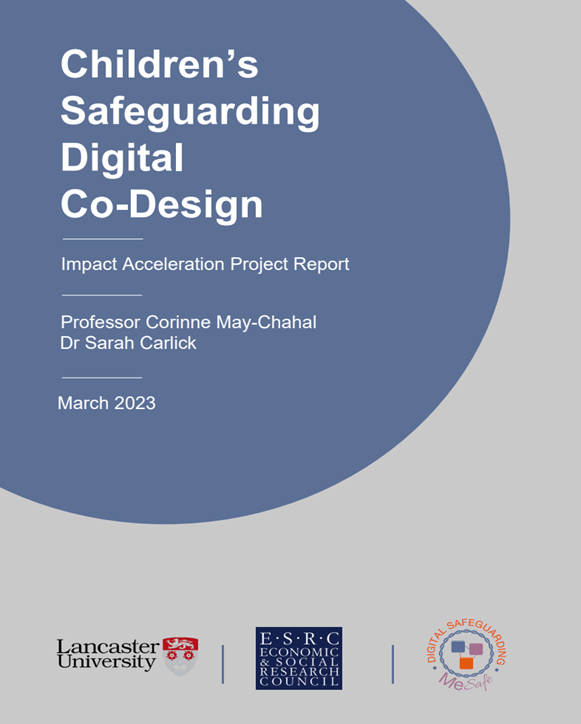
Publication:"Children's Safeguarding Digital Co-Design: Impact Acceleration ProjectReport", written by Dr Sarah Carlick and Professor Corinne May-Chahal.The report includes the views of senior leaders in safeguarding within localauthorities towards digital safeguarding. It concludes a notable lack ofinnovation in the application of creative forms of technology, particularly interms of safeguarding - and how to remedy it.
A digital safeguarding approach aims to use tech for good, co-designed with users. In the present project we seek to develop innovative ways in which children and young people can digitally and safely self- refer and share information with multi-agency professionals, and communicate harms in real time, transforming traditional help and support to reduce risk of harm to children and young people. This part of the project reports on the views of senior leaders in safeguarding within local authorities towards digital safeguarding. The public sector has statutory obligations, along with private sector organisations, offering protective services, but there is general agreement that it lags behind in optimising technological advancements for information sharing and communicating directly with children and young people. There is a notable lack of innovation in the application of creative forms of technology, particularly in terms of safeguarding, stemming from the following list of key findings.
Ways forward
- Clear frameworks for safeguarding digital policy and procedures applied locally could drive significant change and a culture shift.
- Targeted funding and investment, under a dedicated scheme such as the Safety Tech Challenge Fund, in both the public sector and the private sector, to encourage innovation and growth in the availability and application of digital safeguarding tools that enable digital access.
- Innovation will come from the public, private and community sectors engaging in co-design. It must involve children and young people who can share lived experience and structure the architecture for new technology.
- Ensure workforce upskilling by including technical agility and skills in pre and post qualifying social work training.
- Policy – Progress towards digital safeguarding requires a policy framework at national and local level , which is currently lacking . Policies primarily focus on staying safe online (children and staff) and the use of case management systems . There are no existing statutory frameworks for doing safeguarding digitally.
- Children’s co-design – Several initiatives engage and consult with children and young people, particularly looked after young people. There was little evidence of child initiated co- designed policy and practice in digital safeguarding.
- Digital Safeguarding Initiatives – Senior leaders within local authorities are enthusiastic and excited about the potential for digital safeguarding. Post-pandemic there is some evidence of online case monitoring continuing, but no local authorities have extended safeguarding practices to integrate digital access for children and families.
- Barriers to implementing digital safeguarding –respondents emphasised that changes to culture and working practices will take time. It requires: Developing a digitally resilient workforce that works outside normal office working hours. Bridging digital divides to bring social and digital agendas together. Case management systems that are agile, connecting to developing technology that allows easy self service engagement through parent and/or child portals. Thereafter capturing such data into new and emerging data sets.
- A dominant theme aired was the need for leadership and strategy from a national perspective . Alongside this were operational restrictions stemming from a lack of knowledge and skills in the workforce ; lack of resources and limits imposed by the architecture and governance of case management systems.
Work With Sarah
As a Speaker or Judge
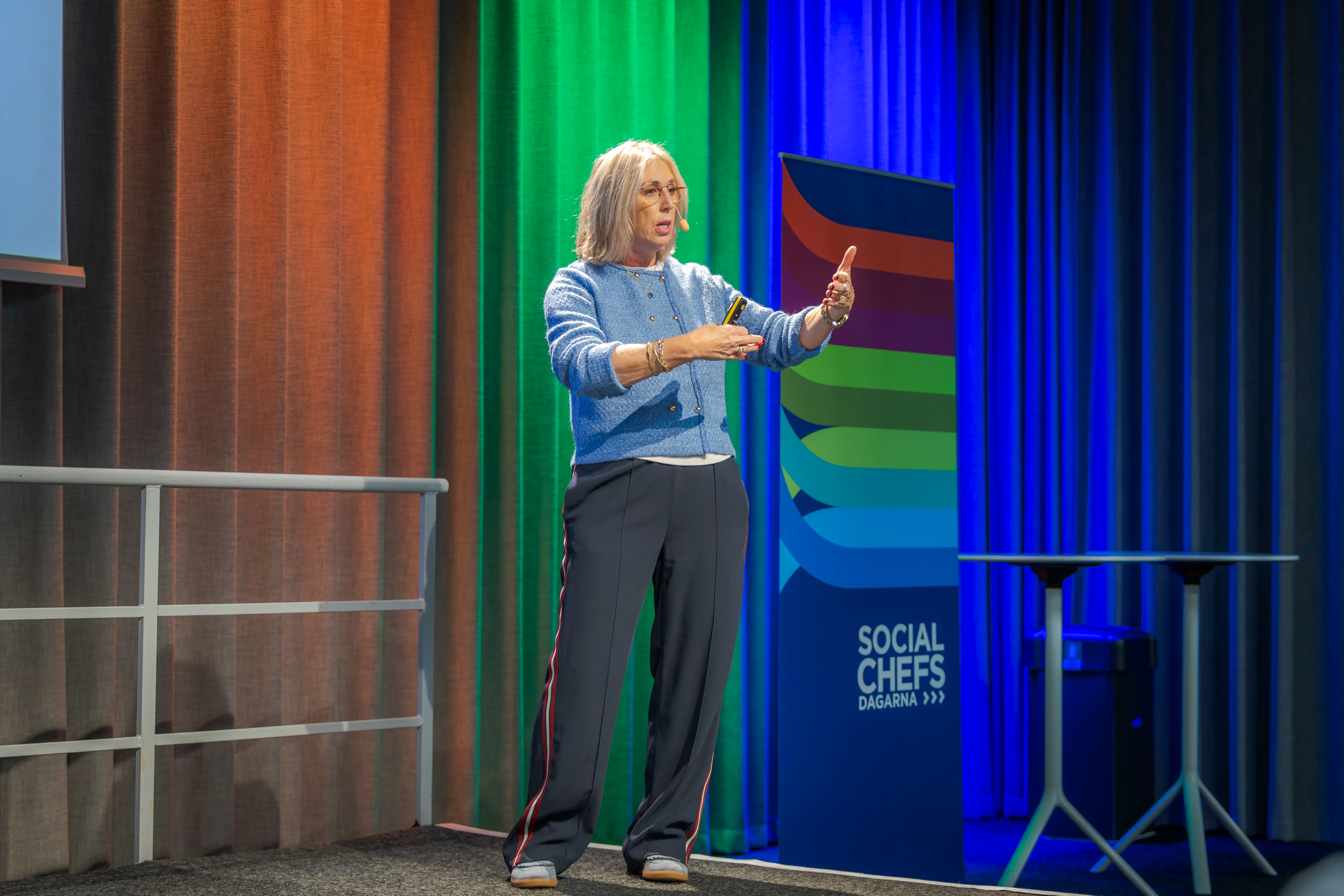
Sarah is an experienced and dynamic conference chair, keynote, panel member and moderator across multi-disciplinary professional and academic settings, and has worked across the globe, in-person and virtually.
Find out moreAs a Consultant
Sarah’s expertise as a consultant is wide-ranging in environments where children's social care meets technology. She specialises in advising on digital safeguarding strategies, and technical reporting pathways across organisational departments and in multi-agency settings.
Find out moreAs a Research Partner
Sarah's research focus is on co-producing new ways of working within child protection, and to challenge the current technical frameworks to ultimately improve outcomes for children and young people. This work has supported developments in UK and International child protection relating to managing risk and safeguarding.
Find out moreTo deliver Social Care Tech workshops
Sarah is a senior and seasoned facilitator, developing and delivering conferences, workshops, and development days tailored to the needs of stakeholders across the digital safeguarding and the social care sector.
Find out moreFor Safeguarding Supervision
Sarah has over two decades of experience working across multi-disciplinary sectors, all the while placing the lived experience and agency of children and adults at risk at the centre of safeguarding.
Find out more.jpeg)